The most common reason owners put off a pet portrait is not cost or scheduling. It is the sentence that starts, my dog could never. Never sit still, never relax around strangers, never cooperate with a camera. Photographers who specialize in pets hear it weekly, and their answer is consistent: the dogs owners apologize for most are often the ones whose sessions go best, because the whole format is built around how dogs actually behave.
This guide is the preparation playbook for anxious, shy, and slow-to-warm dogs around Lake Norman. Half of it is what you do at home in the days before. The other half is how a patient session is structured once you arrive, and why the structure matters more than the dog's personality does.
What anxious actually looks like in a studio
A nervous dog in a new space does predictable things: stays close to the owner, sniffs everything twice, startles at the first flash or shutter sound, and checks the door. None of that is misbehavior, and none of it ruins photographs. It is information. An experienced pet photographer reads it and adjusts: more distance, quieter setup, fewer new things at once, and no reaching toward the dog until the dog closes the distance itself.
The first flash test matters. A single test shot early, at a distance and with a treat following immediately, teaches the dog that the strange light predicts food. Within a few repetitions most dogs start orienting toward the camera when it fires, which is the opposite of fear. Dogs learn the studio's rules quickly when the rules are consistent and the pay is good.
- Tire the edges off, not the dog out. A normal walk an hour or two before, not an exhausting hike; you want relaxed, not wiped out.
- Bring the high-value treats. The studio will have some, but the treat your dog loses focus for at home is the one that works under lights.
- Pack a familiar object. A favorite toy or a blanket that smells like home gives the dog an anchor in a strange room.
- Arrive unhurried. Give the dog time to sniff the studio and meet everyone with no camera in sight.
- Let the photographer set the pace. Distance first, approach on the dog’s terms, and breaks whenever the dog asks for one.
At home: the three days before
Preparation is light but specific. If your dog will be photographed on a backdrop or platform, a few minutes of practicing a simple sit or stand on a mat at home, paid in excellent treats, makes the studio version familiar instead of strange. Keep it playful and short; you are building an association, not drilling obedience. If the dog will wear anything for the session, a bandana or collar, put it on at home first so it is not new on the day.
Schedule around your dog's real rhythms. A dog who is sharpest mid-morning should not be booked into an evening slot, and a dog who melts down when hungry or wired when fed should be fed on the schedule that produces the calmest version of them. Tell the studio these details when you book; studios like Zook Photo plan session pacing around exactly this kind of information.
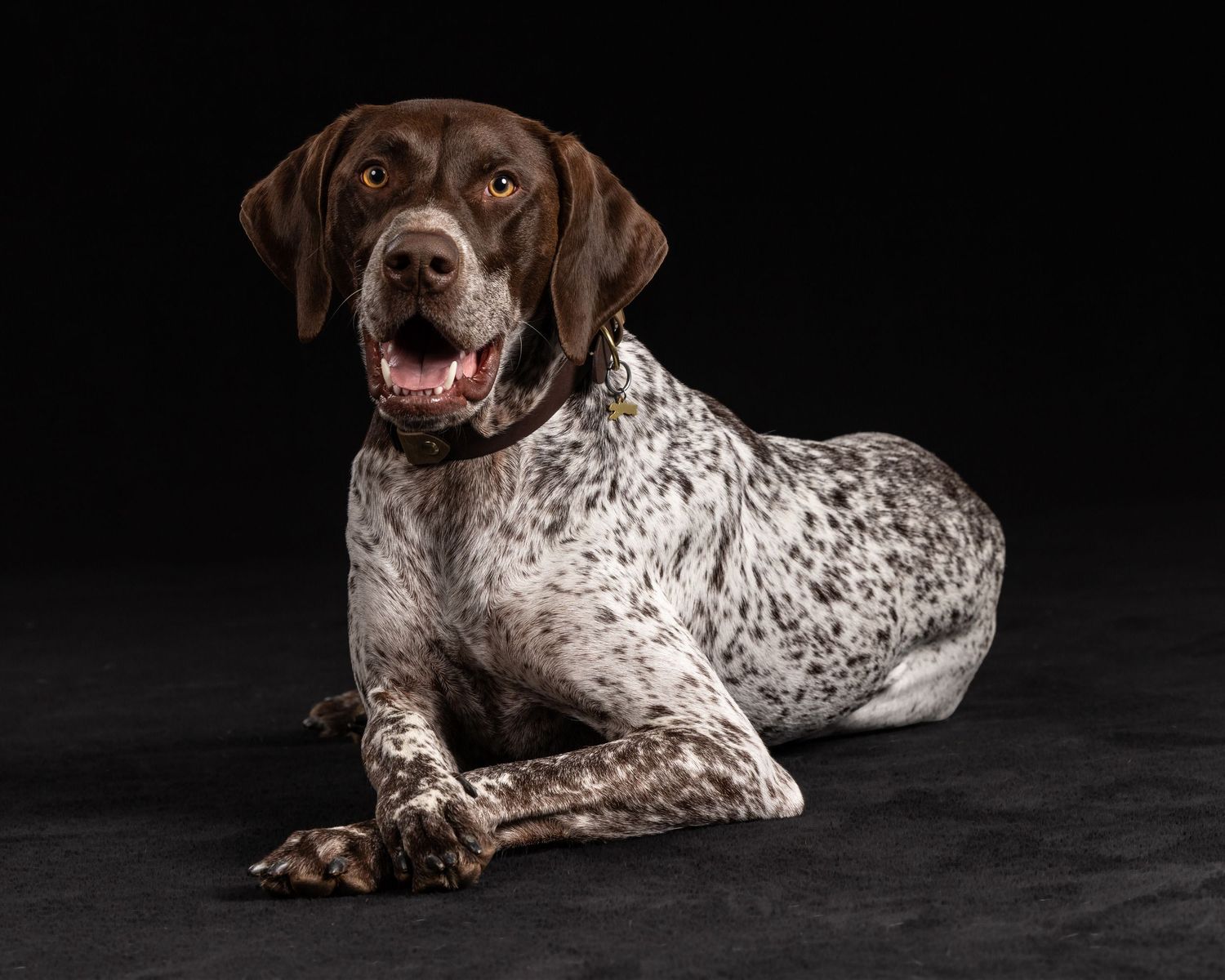
During the session: your job is to be boring
Owners accidentally make sessions harder by helping too much: calling the dog, waving treats, and issuing a stream of commands that compete with the photographer's cues. Your most useful role is calm presence. Sit or stand where the photographer places you, let the dog check in with you, and let one voice run the session. Dogs read owner tension instantly, so the relaxed owner is genuinely part of the equipment.
Expect breaks and honor them. A dog who walks away from the setup is asking for a reset, and studios build the time in. Puppies, seniors, and anxious dogs all work in shorter bursts than a confident adult. The portraits come from the bursts that go well, and a session needs only a handful of those to produce a full gallery worth choosing from.
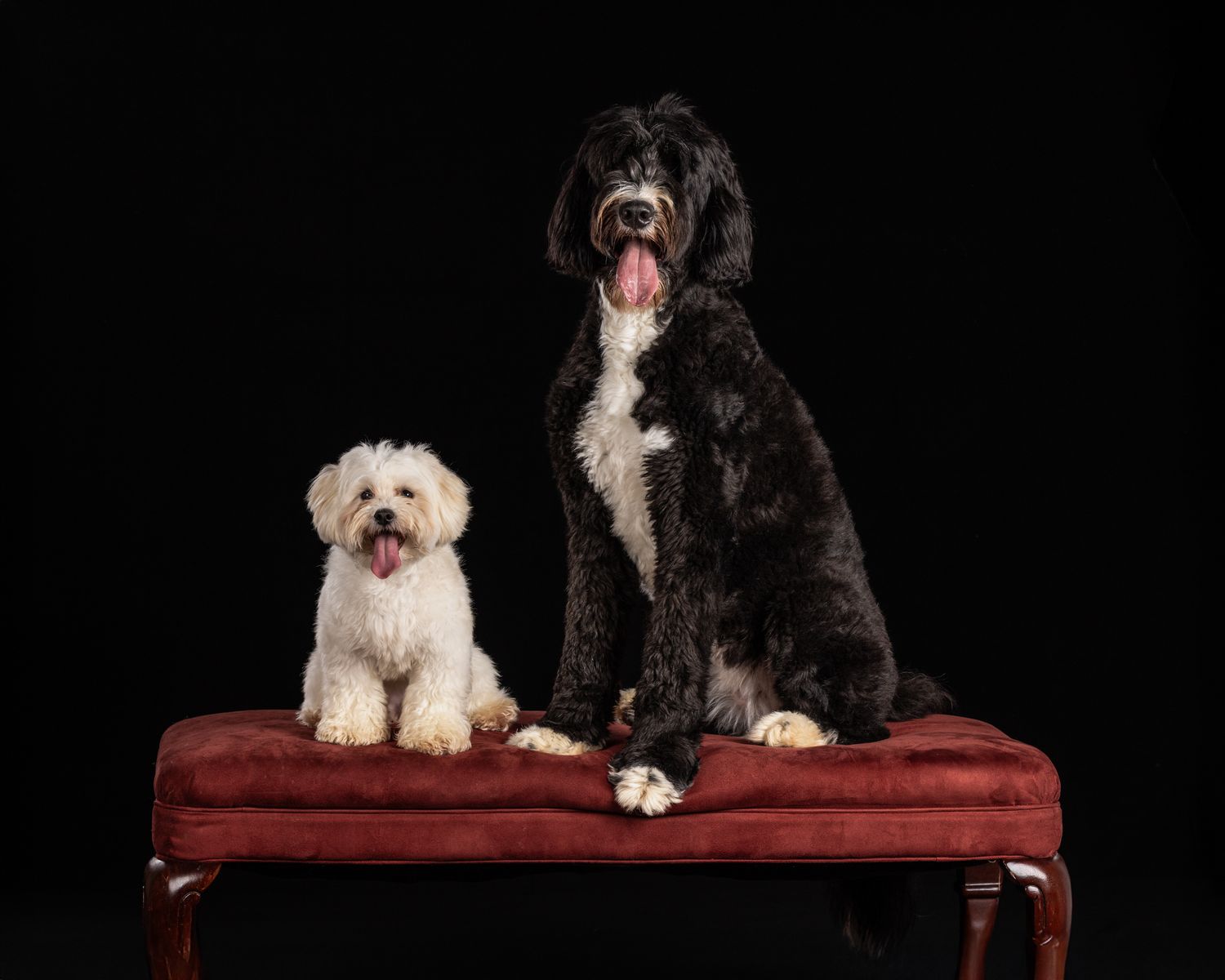
Common questions
What if my dog is reactive to other animals?
Tell the studio when booking. Pet studios schedule one client at a time and can plan arrivals so your dog never meets another animal in the building.
Should I use calming treats or medication before the session?
Only what your veterinarian has already recommended for your dog generally. A familiar routine, a walk, and a patient session structure solve most nervousness without chemistry.
How long does a session with a nervous dog take?
Plan on longer than a standard session, mostly in settling time rather than shooting time. The camera work itself is quick once the dog relaxes.
← All guides from Zook Photo← Back to Zook Photo